Fees & reimbursements
Amazon now reimburses at your cost, not your price. The published loss figures disagree by a factor of two.
Since March 31, 2025 Amazon has paid out on sourcing cost for inventory lost before a customer orders. Vendor estimates of the damage range from 40% to over 75% — and almost every one is published by a company that sells reimbursement software.

Reimbursement basis: sale price → sourcing cost
Key takeaways
- Amazon announced the change on December 19, 2024, set it for March 10, 2025, then moved it to March 31, 2025 to give sellers time to submit their own cost data.
- Inventory lost or damaged before a customer orders is now reimbursed at sourcing cost. Inventory lost after an order is placed is still reimbursed at the order's sale price, less fees.
- Amazon's definition of sourcing cost excludes freight, handling and customs duty — which is precisely where the cost sits for anyone importing since the de minimis suspension.
- You can submit your own per-SKU cost, or Amazon will estimate it from comparable products. The default is Amazon's estimate, and it is the seller's job to replace it.
- Published estimates of the impact range from 40% to over 75%. Every one of the loud figures traces back to a company selling reimbursement recovery services. Treat them accordingly.
A unit Amazon loses now pays you what you paid for it, minus the freight and duty you also paid for it. For most of FBA’s history, a unit lost in a fulfillment center was reimbursed at something close to what you sold it for. That arrangement ended. Amazon now pays what the unit cost you, and the gap between those two numbers is your margin — which is to say, the entire reason you were selling the product.
The change itself is simple and well documented. What is not well documented is how much it actually costs a seller, and that is where the published coverage falls apart.
01What the policy actually says
Amazon’s stated purpose was consistency and predictability in how reimbursements are calculated for units lost or damaged before a customer places an order. From the effective date, those units are reimbursed on the product’s manufacturing cost.
Amazon defines manufacturing cost as what it costs you to source the product from a manufacturer, wholesaler or reseller — or to produce it, if you are the manufacturer. Its own wording is explicit that the figure “excludes costs such as shipping, handling, customs duties” and other costs.
Read that exclusion list against the last eighteen months of trade policy. For any seller importing goods, freight and duty are no longer a rounding error on landed cost; since the de minimis suspension they are frequently the largest single component after the goods themselves. The policy reimburses the part of your landed cost that has changed least, and excludes the part that has changed most.
One thing did not change. If a unit is lost or damaged after a customer has ordered it, Amazon still reimburses on that order’s sale price, less applicable fees. The distinction turns on the moment of loss, not the type of loss.
02The date most coverage still has wrong
The original effective date was March 10, 2025. Amazon then moved it to March 31, 2025, stating that the delay was to give sellers time to manage their costs through the Manage Your Sourcing Cost page, and that the page would be available to all sellers by February 28, 2025.
This matters more than a three-week slip normally would, because the wrong date is still circulating. A large volume of the coverage published in early 2025 was written against the March 10 date and never updated. At least one 2025 analysis states a November 2025 implementation date, which does not correspond to anything Amazon published.
If you are reading a piece on this policy and it does not name March 31, 2025, you are reading something that was not checked after publication. That is a reasonable first filter for everything else in it.
03Who sets your cost, and what happens if you don’t
There are two routes to the number Amazon pays on.
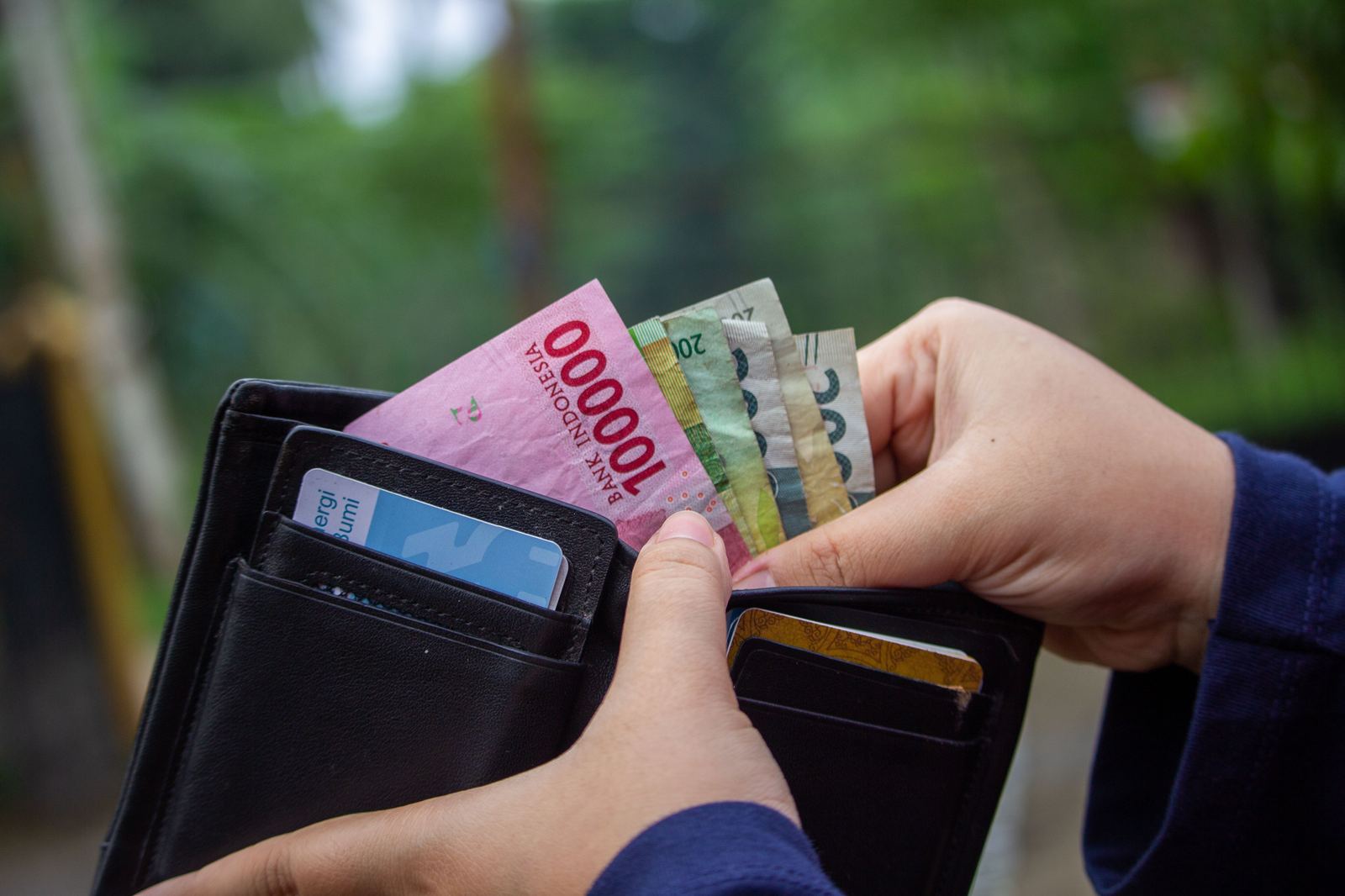
You submit it. Per-SKU sourcing costs go in through the Manage Your Sourcing Cost page in the Inventory Defect and Reimbursement portal. This is the route that puts your figure in front of Amazon’s.
Amazon estimates it. If you submit nothing, Amazon derives an estimate by evaluating comparable products sold by Amazon and by other sellers.
The asymmetry is the whole operational point. Doing nothing is not neutral — it hands the valuation to a party with no interest in it being high. Sellers with unusual, bundled, handmade or collectible products are worst served by comparison against “similar” catalog items, because the comparison set does not describe what they sell.
Corrections to Amazon’s estimate require documentary proof. One agency analysis of the requirements lists manufacturer, wholesale, purchase and commercial invoices, and Chinese fapiao, as accepted proof of value, and notes that the documents are expected to carry the document name and number, the date, buyer and issuer entity details, product description and SKU, quantity, price and currency. If your supplier sends you a WhatsApp message with a total on it, that is not going to serve.
04Where the published impact figures come from
This is the part worth being skeptical about, and it is why this guide does not give you a headline percentage.
Circulating estimates of the reduction in payouts include roughly 40–60%, up to 60%, 50–75%, and over 75%. These are not variations on a measurement. They are different numbers with no shared method, and they cannot all be describing the same policy.
Trace the publishers. The 40–60% figure, the 60% figure, the 50–75% figure and the over-75% figure are each published by a company whose business is recovering FBA reimbursements for sellers, or selling software that does. Every one of those articles ends in a call to action for that company’s product.
That does not make the numbers false. It does mean they were produced by a party with a commercial interest in the loss looking large, using an undisclosed method, on an unstated sample. None of them should be entered into your own model.
The honest answer is that the impact is a function of two numbers you already have and nobody else does: your gross margin, and your reimbursable loss rate. The formula is not complicated.
Reimbursement shortfall per year ≈ (selling price − sourcing cost − fees already deducted) × (units reimbursed per year)
Run it on your own reimbursement history from the last twelve months. A seller on 20% margins and a seller on 70% margins are affected by this policy to entirely different degrees, and a single industry percentage cannot describe both.
05What sellers said at the time
Amazon’s own forum thread announcing the revised date drew substantive objections, and the pattern in them is more useful than any of the vendor percentages.
The strongest objections came from sellers of collectibles — trading cards, memorabilia, toys — where sourcing cost and market value are unrelated by design. A card acquired for a few dollars and listed for hundreds is not mispriced; the gap is the entire business. Sellers in that thread also raised the burden of proactively documenting cost across large catalogs, and the exclusion of freight, placement fees, prep, storage and labour from the reimbursed figure.
Those are structural objections rather than complaints about the size of a payout, and they identify the categories where the policy changes the economics rather than merely trimming them.
06What to do about it
Fill in every SKU. A blank or zero cost field is the worst possible state, because it does not stop a claim from being paid — it stops it from being paid properly. Treat cost entry as part of listing setup, not as a project.
File your cost documentation now, not at claim time. Assembling invoices under a claim deadline, for a shipment that landed eight months ago, from a supplier who has since changed staff, is a bad position to be in.
Reconcile more often, not harder. The value of an individual claim has fallen, which means the return on a monthly reconciliation habit has fallen with it. It does not mean the return has gone negative; it means large occasional audits are now worse value than small regular ones.
Re-run the FBA versus merchant-fulfilled question on your slow movers. Units sitting in a fulfillment center for a long time carry storage cost, aged-inventory exposure and now a reduced insurance value. For a slow-moving SKU with a high margin, that combination has moved.
Do not buy a recovery service on the strength of the numbers in its own blog post. If the service is worth it for your volume, the case will survive being made from your own reimbursement report.
Run it on your own figures. The margin and break-even calculator takes your price, cost of goods, referral rate, fulfillment fee, returns and ad spend and returns net profit per unit, net margin and the maximum ACOS the product can carry. Nothing is stored and nothing leaves your browser.
Open Manage Inventory and count the SKUs with an empty cost field. Every one of them is being reimbursed at Amazon’s guess. Fill the ten best sellers today; the rest can wait a week, the loss report cannot.
Frequently asked
Does this apply to inventory lost after a customer orders?
No. Units lost or damaged after an order is placed are still reimbursed at that order's sale price, less applicable fees. The policy change applies to loss before the order.
What is the effective date?
March 31, 2025. It was originally announced as March 10, 2025 and moved by Amazon to give sellers time to submit sourcing costs. Coverage citing March 10 was written before the change and not updated.
Does the reimbursement include what I paid for freight and duty?
No. Amazon's definition of manufacturing cost excludes shipping, handling and customs duties. For imported goods this is the most significant exclusion in the policy.
What happens if I never enter a sourcing cost?
Amazon estimates one by evaluating comparable products sold by Amazon and by other sellers. That estimate becomes the basis for your reimbursement until you replace it.
How much will this cost me?
That depends on your margin and your reimbursable loss rate, both of which you can pull from your own reports. The industry percentages in circulation come from companies selling recovery services and do not disclose their method.
Sources
- Update to the FBA inventory reimbursement policy (reimbursement at manufacturing cost for inventory lost or damaged before a customer order; seller-provided cost option; effective March 2025), Amazon Seller Central, Seller Forums announcement, December 2024 Primary source accessed 2026-09-05
- Update to the FBA inventory reimbursement policy (definition of manufacturing cost clarified December 19, 2024), Amazon Seller Central Primary source accessed 2026-09-05
- New effective date for FBA inventory reimbursement policy, Amazon Seller Central Primary source accessed 2026-09-05
- New Amazon FBA inventory reimbursement policy: managing sourcing cost, Brandwoven Secondary accessed 2026-09-05
- Amazon announces significant update to FBA inventory reimbursement policy, Code3 Secondary accessed 2026-09-05
- Amazon reimbursement policy changes: what every seller needs to know in 2025 (vendor estimate, up to 60%), Refunzo Secondary accessed 2026-09-05
- 2025 trends in Amazon FBA reimbursement claims (vendor estimate, over 75%), Refunzo Secondary accessed 2026-09-05
- Amazon FBA reimbursements 2025 (vendor estimate, 40–60%), Gowrath Secondary accessed 2026-09-05
- Amazon reimbursement policy overhaul: manufacturing cost basis (vendor estimate, 50–75%; states a November 2025 date), Nova Analytics Secondary accessed 2026-09-05
- FBA reimbursement policy updates for 2025, eComEngine Secondary accessed 2026-09-05
Published August 8, 2026 · sources re-verified September 5, 2026. Marketplace fees and software pricing change often — verify anything material against the marketplace's own documentation before acting on it. Corrections: contact@fbatactics.com.
Read next
NEXT STEPFrom day 181 to month 15: the sell-down, liquidate or remove decision at every step of the aged-inventory ladderContinue →Fee watch
We email you when a fee changes.
Nothing else.
Amazon, Walmart, eBay, Etsy, TikTok Shop and AliExpress revise their fee schedules on their own timetable, and the announcement rarely reaches the people paying them. One short email per change, with the date it takes effect and what it costs. No weekly digest, no offers.
Unsubscribe in one click. We do not sell or share addresses — see theprivacy policy.